
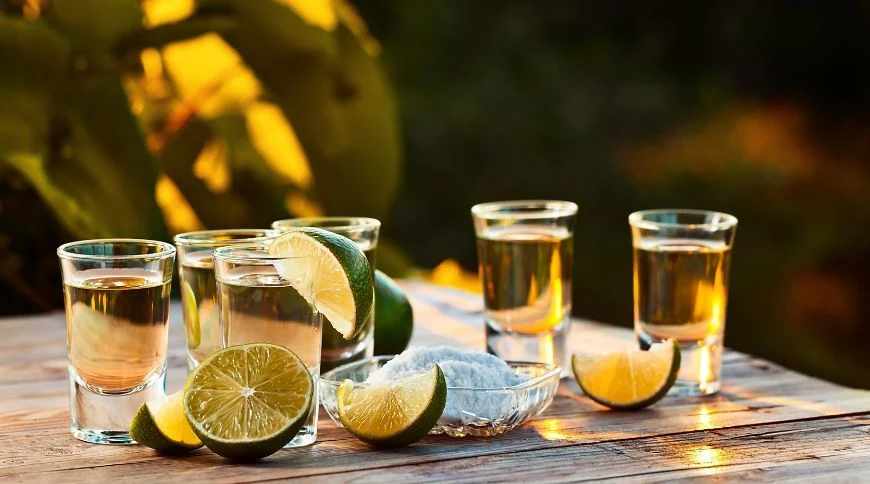
Fresh tequila carries clear agave character after distillation. Time then begins changing its texture and aroma. A useful visual reference is youtube.com/watch?v=F_VHRS6ywjI&feature=youtu.be, especially for observing serving details. Resting allows sharper notes to settle gradually. Barrel contact adds another layer without removing the original character. Together, those stages create smoother transitions between earthy, sweet, toasted, and warm sensations.
Fresh Spirit Sets The Foundation
Right after distillation, tequila holds a lively profile. Agave character remains clear and direct at this stage. Resting gives those sharper sensations time to settle. That period matters because later barrel contact builds upon this starting point.
Oak Contact Adds Gentle Depth
Once wood enters the process, flavor develops gradually. The barrel contributes soft vanilla, toasted sweetness, and mild spice. Contact time controls how strongly those notes emerge.
- Fresh barrels can bring stronger wood influence.
- Toasted surfaces create warmer tasting notes.
- Older barrels often give gentler character.
- Smaller casks increase contact with wood.
Why Does Resting Soften The Sip?
Resting allows the spirit to settle between changes. Alcohol sensations can become less sharp as time passes. Meanwhile, existing agave notes remain part of the profile. This balance helps each sip feel more connected from start to finish. youtube.com/watch?v=F_VHRS6ywjI&feature=youtu.be provides useful visual context for appreciating that progression.
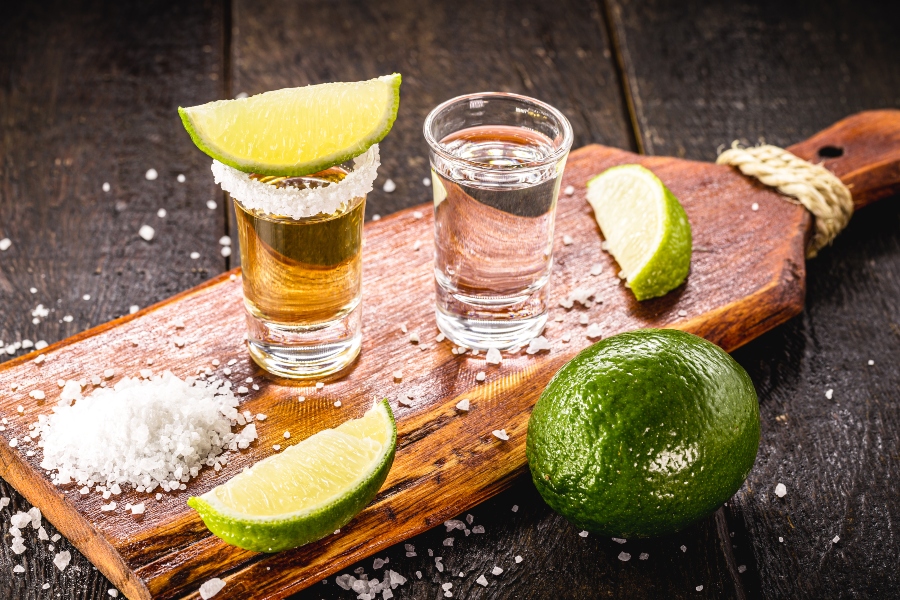
Temperature Guides The Aging Pace
Storage conditions also influence barrel interaction over time. Warmer surroundings can encourage deeper movement through wooden pores. Cooler conditions slow that exchange and preserve gentler development.
- Stable surroundings support controlled flavor changes.
- Warmer storage can increase wood extraction.
- Cooler spaces encourage slower maturation.
- Barrel size affects contact intensity.
What Creates Softer Sweetness?
Sweet impressions develop from several parts working together. Roasted agave provides a natural foundation for later changes. Wood then adds softer caramel and vanilla sensations. As those elements meet, the tasting profile becomes more rounded without losing its base character.
Barrel Time Shapes The Final Balance
Longer aging does not automatically create better tequila. Too much wood can cover delicate agave notes. Shorter periods can preserve brighter earthy qualities. Careful timing keeps both sides visible. A mature sip therefore reflects restraint as much as duration.
FAQs
Does resting change tequila before barrel aging?
Yes, resting can settle sharper sensations and prepare the spirit for gradual maturation.
Can oak change tequila flavor?
Oak can add soft vanilla, toasted sweetness, gentle spice, and warmer depth.
Does barrel size affect maturation?
Yes, smaller barrels create greater wood contact and can speed flavor extraction.
Can aged tequila retain agave character?
Yes, balanced maturation can preserve roasted agave notes while adding softer barrel qualities.